
Table of contents
A few months ago, several hygiene studies and reports started highlighting something surprising: many public and private washrooms still fail to meet proper hygiene standards.
One global survey found that only about 20% of washrooms consistently meet basic cleanliness expectations, with common complaints including dirty toilet bowls, unpleasant odors, and inadequate cleaning routines.
Now pause for a moment and ask yourself a simple question: When was the last time you truly deep-cleaned your bathroom?
Even though we cleaned it regularly, the tiles still had dull marks, the sink developed soap scum, and the toilet bowl had stubborn stains. That is when it becomes clear that the cleaning method matters, but the cleaning liquid matters even more.
Research shows that consistent bathroom cleaning and disinfection routines can reduce infection risks from pathogens such as bacteria and viruses by more than 98%.
So the real question becomes: Are you using the right cleaning solution?
Let’s explore how to choose the best bathroom cleaning liquid for tiles, sinks, and toilets and how it works.
What Makes a Bathroom Cleaning Liquid Effective?
Not all bathroom cleaners work the same way. The best bathroom cleaning liquid contains a combination of ingredients that target the most common bathroom problems such as soap scum, limescale, stains, bacteria, and odors.
Most high-quality bathroom cleaning liquids contain three essential components.
1. Acids for Removing Hard Water Stains
If you live in an area with hard water, you have probably noticed those chalky white stains around taps, toilet bowls, and tiles.
These stains come from calcium carbonate deposits, also known as limescale. Acidic cleaning agents such as citric acid, hydrochloric acid, or sulfamic acid break down these mineral deposits and dissolve them quickly.
For example: Imagine a toilet bowl that has brown rings caused by mineral buildup. An acidic cleaning liquid reacts with the mineral layer and dissolves it, making it easier to scrub away. Without acid-based cleaners, these stains often remain no matter how hard you scrub.
2. Surfactants for Removing Dirt and Grease
Bathroom surfaces collect more than just water stains. They accumulate:
- Soap residue
- Body oils
- Shampoo and conditioner buildup
This mixture forms what we commonly call soap scum. Surfactants inside cleaning liquids break the bond between dirt and surfaces, allowing grime to lift away easily.
Think about your bathroom tiles after several showers. A good cleaning liquid penetrates that slippery layer and removes it without damaging the tiles.
3. Disinfecting Agents for Killing Germs
Bathrooms are high-moisture environments, which means they can become breeding grounds for bacteria and mold.
Disinfecting ingredients such as bleach or antibacterial agents help kill harmful microbes and prevent odor buildup. This is especially important for toilets and sink drains where bacteria accumulate quickly.
Why You Need Different Cleaning Focus for Tiles, Sinks, and Toilets
Many people assume one cleaner works for everything. But each surface in your bathroom faces a different type of contamination. Understanding this helps you choose the best bathroom cleaning liquid for each area.
Cleaning Bathroom Tiles
Bathroom tiles face constant exposure to water, soap, and shampoo residue.
Over time, you may notice:
- Soap scum buildup
- Grout discoloration
- Water stains
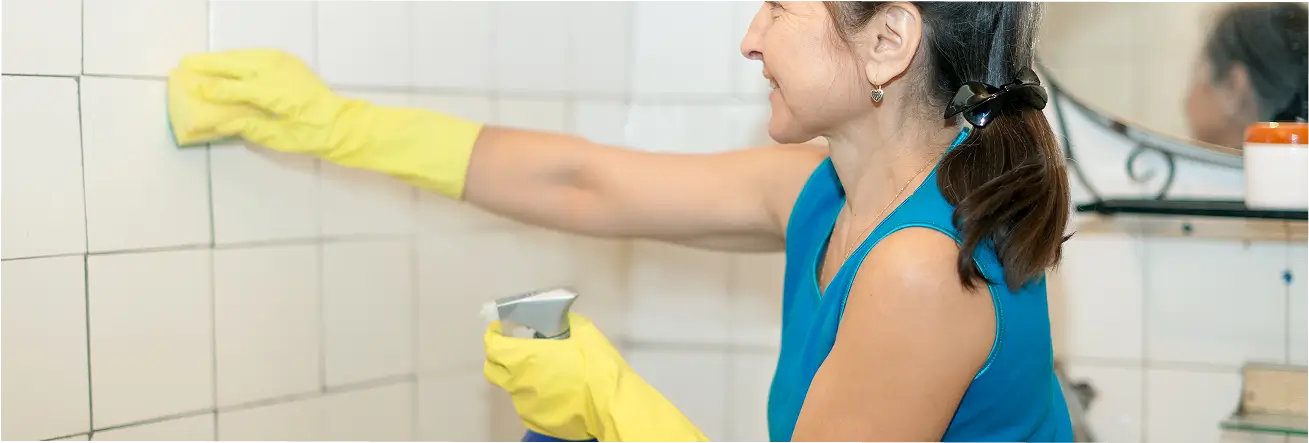
A cleaning liquid with mild acids and surfactants works best for tiles. For example, if your shower tiles look cloudy after daily use, spray the cleaner, leave it for a few minutes, and scrub lightly with a brush. This allows the cleaning liquid to dissolve the grime before scrubbing.
You will notice the tiles regain their shine quickly.
Cleaning Bathroom Sinks
Bathroom sinks experience a different type of contamination.
They collect toothpaste residue, soap deposits, water stains and bacteria from hand washing. A cleaning liquid designed for sinks should balance stain removal and antibacterial action.
For instance, if you see toothpaste stains forming near the drain or faucet, a bathroom cleaner breaks down the sticky residue and restores the sink’s surface without scratching it.
Some mild solutions even combine baking soda or peroxide to lift grime from grout and surfaces effectively.
This is why using the best bathroom cleaning liquid regularly prevents stubborn buildup.
Cleaning Toilet Bowls
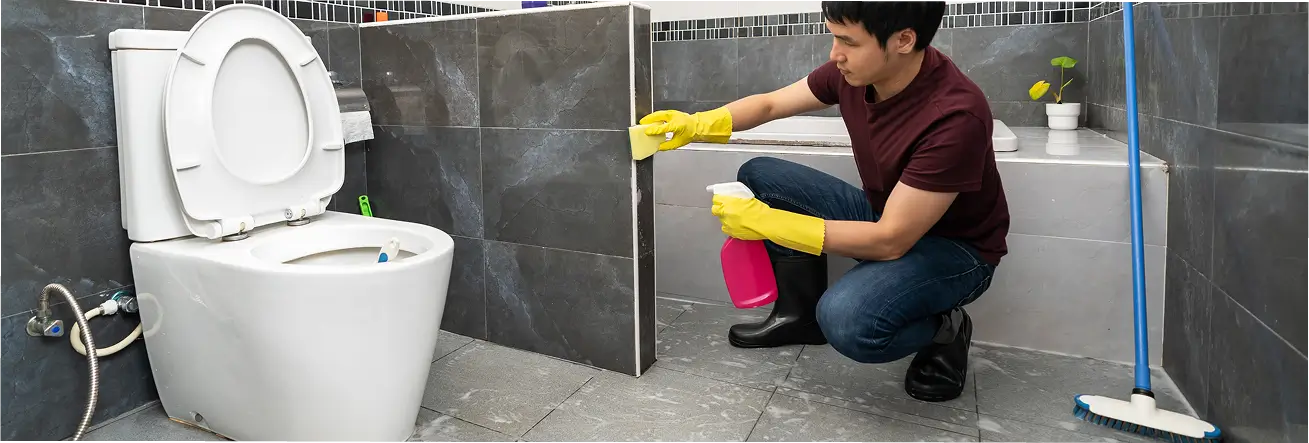
The toilet bowl is probably the most challenging part of the bathroom to clean.
It deals with:
- Hard water stains
- Bacterial contamination
- Odor buildup
Toilet cleaners often contain stronger acids because they must dissolve mineral deposits stuck under the rim and inside the bowl.
For example: If you notice yellow or brown stains inside the toilet, those are usually mineral deposits or rust stains. Acid-based cleaners break down these deposits so they can be flushed away easily.
Some people even use natural alternatives like vinegar or citric acid to remove these stains. But for heavy buildup, commercial cleaning liquids usually deliver faster results.
How to Choose the Best Bathroom Cleaning Liquid
Surface Compatibility
Make sure the cleaner is safe for the surfaces in your bathroom. For example:
- Ceramic tiles tolerate stronger cleaners.
- Marble or natural stone needs gentler formulas.
Using the wrong cleaner can damage surfaces over time.
Stain Removal Power
Disinfection Capability
Ease of Use
Practical Cleaning Routine Using Bathroom Cleaning Liquid
Daily : Wipe sinks and faucets with diluted cleaning liquid.
Twice weekly : Spray bathroom tiles and shower walls to prevent soap scum buildup.
Weekly : Deep clean the toilet bowl and floor tiles.
Research suggests that cleaning bathroom surfaces every few days significantly reduces bacteria contamination and infection risk. Consistency matters more than occasional deep cleaning.
The Growing Demand for Bathroom Cleaning Products
The increasing awareness of hygiene has also influenced consumer behavior.
Industry reports show that the toilet cleaner market alone is projected to reach around $10 billion globally, driven by rising hygiene awareness and improved sanitation practices.
Similarly, the overall toilet care market is expected to grow steadily in the coming years as people prioritize cleaner and healthier living environments. This trend reflects something important:
People are no longer treating bathroom cleaning as a chore. They are treating it as an essential part of health and hygiene.
Conclusion
Bathroom cleaning might not be anyone’s favorite task, but it plays a crucial role in maintaining a healthy home.
Think about it. Your bathroom is one of the most frequently used spaces in the house. Every day it collects moisture, bacteria, soap residue, and mineral deposits.
Ignoring these problems only makes them harder to remove later. Using the best bathroom cleaning liquid from Monkey 555 simplifies the process by breaking down stains, killing germs, and restoring the shine of tiles, sinks, and toilets.
Instead of spending hours scrubbing stubborn marks, the right cleaning liquid does most of the work for you. So the next time you walk into your bathroom and notice dull tiles or stains forming inside the toilet bowl, ask yourself:
Is it time to upgrade your cleaning routine? Because sometimes the difference between a clean bathroom and a truly hygienic one is simply choosing the best bathroom cleaning liquid.
FAQs
1. What is the best bathroom cleaning liquid used for?
The best bathroom cleaning liquid is designed to remove soap scum, hard water stains, bacteria, and unpleasant odors from surfaces such as tiles, sinks, bathtubs, and toilet bowls.